Life is a symphony of sensations, and for millions, touch plays a leading role in navigating the world. At Paerm.com, we champion tools that enhance independence, and few are as impactful as the Braille Label Maker. This ingenious device bridges the gap between the sighted and visually impaired worlds, transforming everyday objects into accessible, tactile information hubs. Whether you’re looking to bring order to your home, streamline a classroom, or boost workplace inclusivity, understanding and utilizing a braille label maker is a step towards a more empowered and organized life.
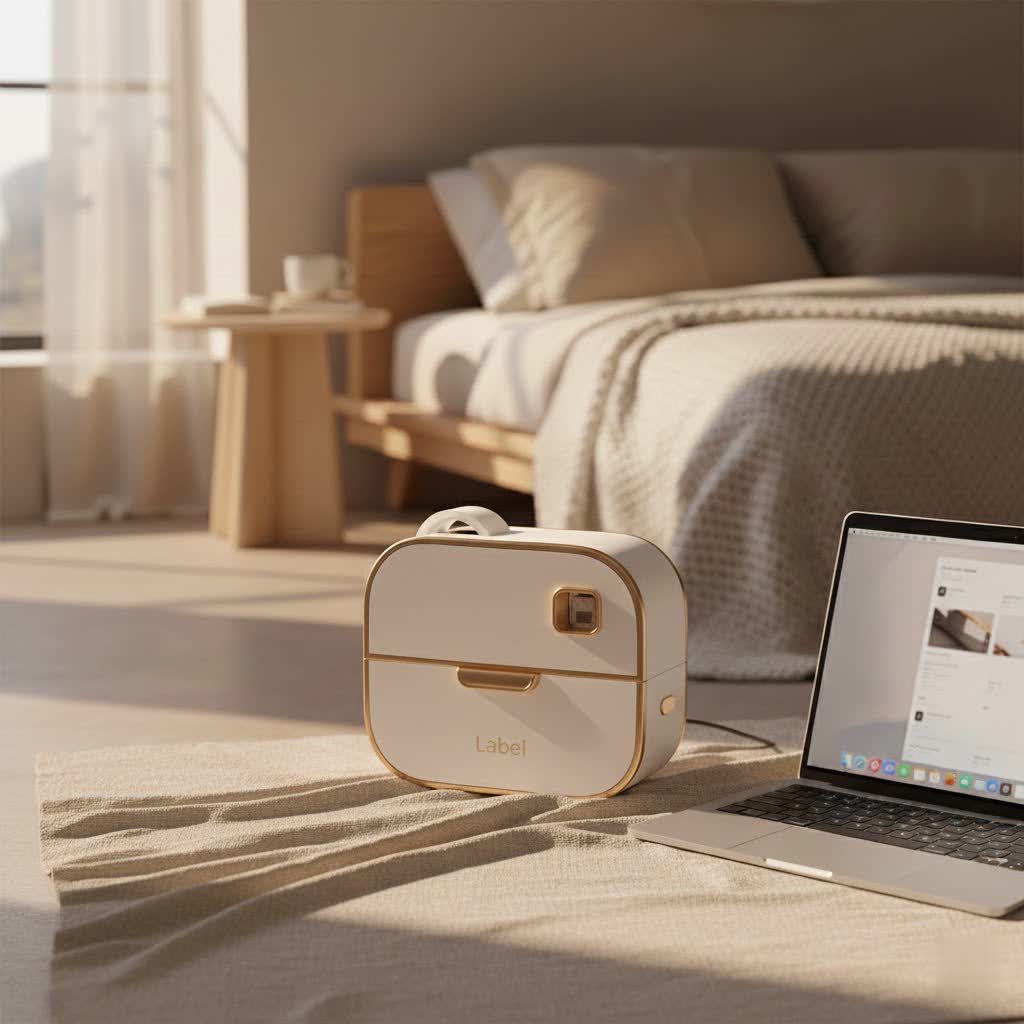
Understanding Braille Label Makers: More Than Just Labels
Imagine being able to “read” your surroundings with your fingertips, identifying items instantly and confidently. That’s the power a braille label maker unlocks. These devices are specifically designed to emboss characters onto various surfaces, creating raised dots that can be read by touch. It’s a fundamental tool in promoting literacy and independence for individuals who are blind or visually impaired.
What Exactly Is a Braille Label Maker?
|
Our Picks for the Best Label Maker in 2026
As an Amazon Associate I earn from qualifying purchases.
|
||
| Num | Product | Action |
|---|---|---|
| 1 | DYMO LabelManager 160 Portable Label Maker Bundle, Easy-to-Use, One-Touch Smart Keys, QWERTY Keyboard, Large Display, For Home & Office Organization, Includes 3 D1 label cassettes |

|
| 2 | DYMO LetraTag LT-100H Handheld Aesthetic Label Maker, ABC Keyboard Label Printer with Easy-to-Use, 13 Character LCD Screen, Great for Home & Office Organization, Pink |
|
| 3 | DETONGER DT5150P Industrial Colorfast Label Maker, Thermal Transfer Label Printer with 1.65\" W Print Head, Heavy-Duty for Outdoor Direct Sunlight Job Sites, Mobile APP & PC Editor Compatible |
|
| 4 | EazeID Embossing Label Maker Machine with Tapes, Manual Embossed Label Maker Retro, Vintage Embosser Labeler 3/8 Inch 9mm 3D Waterproof-Labels for Scrapbooking Supplies Kids DIY Craft Home Office Use |
|
| 5 | Brother P-Touch PT-N20 Personal Desktop Label Maker, Portable, Handheld and Prints, P-Touch Btag ~½” (12mm) Wide Color Personalized Label Tapes |
|
| 6 | NelkoGlobal Label Maker, Label Maker Machine with Tape, Portable Bluetooth Label Printer with Little Space, Mini D10 Label Machine with Multiple Personalized Templates for Family School |
|
| 7 | MeetRGB Embossed Label Maker (Includes Tape), Vintage Embossing Label Machine, Comes with 5 Rolls of 3D Embossed Labels, Suitable for Office and DIY Use—Purple |
|
| 8 | DYMO LetraTag 100H Plus Handheld Label Maker for Office or Home |
|
| 9 | DYMO Label Maker Machine with Tape - 100H LetraTag Handheld, Comes with 3 LT label tapes. Great for Home & Office Organization |
|
| 10 | LỖI |
|
At its core, a braille label maker translates text into the tactile Braille code, a system of raised dots arranged in cells. Each cell, typically comprising six dots, represents a letter, number, punctuation mark, or even common word contractions. The label maker physically punches or raises these dot patterns onto a strip of tape or other material, producing durable, readable labels. This allows users to identify everything from canned goods in the pantry to files in an office, ensuring critical information is always at their fingertips.
The Two Main Types: Manual vs. Electronic
When it comes to braille label makers, you generally find two distinct categories, each with its own set of advantages depending on your needs.
Manual Braille Label Makers
These are often the most recognized and affordable entry point into braille labeling. Manual devices typically feature a rotating dial with both Braille and corresponding print characters. To use one, you simply turn the dial to select the desired character and then squeeze a handle or trigger to emboss the Braille onto a special vinyl tape.
Pros:
- Affordability: Generally much less expensive than their electronic counterparts.
- Portability: Lightweight and compact, making them easy to carry and use anywhere without power.
- Simplicity: Straightforward operation, requiring no software or batteries.
Cons:
- Physical Effort: Requires manual squeezing, which can be tiring for large labeling tasks.
- Limited Features: No advanced functions like QWERTY input, automatic cutting, or software integration.
- Tape Dependence: Relies on specific vinyl embossing tape, often 3/8-inch or 1/2-inch wide.
Electronic/Digital Braille Label Makers
Stepping up in sophistication, electronic braille label makers, often referred to as braille embossers, offer enhanced functionality and ease of use. These machines typically feature a Perkins-style Braille keyboard, a standard QWERTY keyboard for sighted users or those who don’t type Braille directly, or even connectivity to a computer with Braille translation software. They use powered embossing to create high-quality, consistent Braille dots.
Pros:
- Ease of Use: Powered embossing requires minimal physical effort.
- Versatility: Many allow input via a Braille keyboard, a standard QWERTY keyboard, or computer software, accommodating both Braille readers and non-Braille readers.
- Higher Quality: Produce clear, consistently formed Braille dots for accurate reading and longer lifespan.
- Advanced Features: Often include automatic tape cutting, memory functions, and support for different Braille grades and languages.
- Speed: Ideal for generating a larger volume of labels quickly.
Cons:
- Higher Cost: Significantly more expensive than manual models.
- Power Dependent: Require batteries or an AC adapter.
- Size: Generally larger and less portable than manual versions, though compact electronic models exist.
Why a Braille Label Maker is a Game-Changer: Benefits You Can Feel
A braille label maker is far more than just a gadget; it’s a profound tool for empowerment and inclusion. Its impact extends across various facets of daily life, fostering a greater sense of confidence and independence.
Fostering Independence and Self-Sufficiency
One of the most significant benefits of a braille label maker is the independence it grants. Imagine the simple act of choosing the right spice for a recipe or finding a specific file in a cabinet without needing assistance. Braille labels empower visually impaired individuals to navigate their personal spaces with autonomy, reducing reliance on others and enhancing self-sufficiency in countless daily tasks. This can be especially crucial in a home setting, where labeling medications, food containers, or personal care products becomes effortless.
Enhancing Safety and Navigation
Beyond convenience, braille labels play a vital role in safety. Clearly marked items, from cleaning supplies to emergency contact numbers, can prevent accidents and ensure crucial information is readily available when needed. In public and professional environments, braille signage—often created with advanced braille embossers—helps individuals safely navigate buildings, locate restrooms, identify exits, and understand important instructions, adhering to accessibility standards like the Americans with Disabilities Act (ADA).
Promoting Inclusion in Every Environment
By making information accessible through touch, braille label makers contribute to a more inclusive society. When products, documents, and environments are tactilely labeled, visually impaired individuals can participate more fully in educational, social, and professional settings. This fosters a sense of belonging and ensures equal access to information, which is a fundamental right.
Boosting Learning and Literacy
For children and adults learning Braille, a label maker can be an invaluable educational tool. It provides a hands-on way to practice reading and writing Braille by creating real-world labels. This practical application reinforces learning and makes the Braille system tangible and immediately useful, encouraging literacy and confidence in a new skill.
Choosing Your Perfect Partner: A Braille Label Maker Buying Guide
Selecting the right braille label maker involves weighing your specific needs against the features available. Just like choosing any other essential tool, a little thoughtful consideration goes a long way.
Consider Your Needs: Home, Office, or On-the-Go?
Your primary use case will heavily influence your choice.
- For Home Use: A manual braille label maker might be sufficient for occasional labeling of pantry items, medications, or storage bins. They are cost-effective and easy to store. However, for more extensive labeling or if you frequently update labels, an electronic portable model could offer more convenience.
- For Educational Settings: Both manual and electronic models have their place. Manual ones are great for teaching basic Braille and hands-on activities, while electronic versions can help teachers or administrators quickly produce materials for students, especially if they integrate with a QWERTY keyboard.
- For Business or Professional Environments: Electronic models or dedicated braille embossers are often preferred. They offer higher output, consistent quality, and the ability to integrate with existing computer systems and Braille translation software for ADA-compliant signage, internal labeling, and document production.
- For On-the-Go: Portability is key. Manual label makers excel here, but some compact electronic models with battery power can also be suitable.
Key Features to Look For
Once you’ve identified your primary use, delve into the features that matter most.
- Ease of Use and Interface: If you or the primary user is a Braille reader, a device with a tactile Braille dial or a Perkins-style keyboard is ideal. For sighted assistants or non-Braille readers, QWERTY keyboard input or computer connectivity is crucial. Look for clear instructions and intuitive operation.
- Tape Compatibility and Durability: Most braille label makers use standard 3/8-inch or 1/2-inch vinyl embossing tape. Check if the labels produced are known for their adhesion and durability. Some clear tapes allow existing print to be visible underneath, which can be helpful in shared environments.
- Power Source and Portability: Manual label makers require no power. Electronic models typically run on AA batteries for portability or an AC adapter for stationary use. Consider battery life and whether you need a device that can be easily moved between locations.
- Advanced Features:
- QWERTY Input: Essential if you want sighted individuals to type text that is then converted to Braille.
- Automatic Cutter: A small but significant convenience, ensuring clean, straight cuts without needing scissors.
- Software Integration: For electronic embossers, compatibility with Braille translation software (like Duxbury) is vital for complex documents or high-volume output.
- Braille Grade Support: Most common labels use Grade 1 Braille (letter-for-letter translation), but some advanced machines can support Grade 2 Braille (contracted Braille), which is more compact.
Budgeting for Braille: What to Expect
The cost of a braille label maker can vary widely:
- Manual Braille Label Makers: These are generally the most affordable, often ranging from $20 to $60.
- Portable Electronic Braille Label Makers: These tend to be in the $100 to $400 range, offering a balance of features and portability.
- Professional Braille Embossers: High-end models for industrial or large-scale use, often designed for documents rather than just labels, can cost thousands of dollars.
Remember that the initial purchase price is just one factor; also consider the ongoing cost of label tape, which is a consumable item.
Unleashing Creativity: Innovative Applications for Your Braille Label Maker
A braille label maker is an incredibly versatile tool, limited only by imagination. From mundane tasks to genuinely innovative solutions, its applications are vast.
Around the House
Transform your home into an easily navigable and organized sanctuary. Labeling is key to independence in the kitchen: think spice jars, canned goods, frozen meals, and even microwave buttons. In the bathroom, clearly mark shampoo, conditioner, and other personal hygiene products. You can also label important documents, files, cleaning supplies, remote control buttons, and even clothing tags for easier identification. For instance, labeling specific shelves or drawers can streamline organization for everyone in the household.
In Education
Braille label makers are indispensable in educational settings. Teachers can create tactile labels for textbooks, classroom materials, art supplies, and storage bins, fostering an inclusive learning environment. Students learning Braille can use them to practice, making flashcards or labeling personal items to reinforce their skills. This hands-on approach can significantly boost Braille literacy and confidence.
Professional and Public Spaces
In the workplace, braille label makers contribute to an accessible and equitable environment. Label office equipment, file folders, storage cabinets, and employee cubicles. For public facilities, braille labels are crucial for ADA compliance on signs for restrooms, room numbers, elevators, and emergency exits. This not only meets legal requirements but also demonstrates a genuine commitment to inclusivity for employees and visitors.
Beyond the Basics
Think outside the box! Braille labels can be used for craft projects, organizing media collections (CDs, DVDs), labeling gardening tools, or even marking tools in a workshop. The ability to create custom tactile labels opens up a world of possibilities for personalizing and making virtually anything accessible.
Expert Insights: Making the Most of Your Braille Label Maker
“Embracing a braille label maker isn’t just about creating labels; it’s about building bridges to independence,” says Dr. Anya Sharma, a leading accessibility consultant at Paerm.com. “From ensuring the right medication is taken to confidently navigating a new environment, these tools empower individuals to live more fulfilling lives. Remember, consistency in your labeling system is key, and don’t be afraid to experiment with different tape colors or materials to find what works best for your needs.”
Here are a few tips to optimize your braille labeling experience:
- Choose the Right Tape: High-quality vinyl tape is essential for durability and adhesion. Transparent tape can be excellent for labeling over existing print without obscuring it.
- Consistent Placement: Develop a consistent system for where you place labels on items (e.g., always on the top-left corner of a box, or always vertically on a spice jar). This makes finding and reading them even easier.
- Clean Surfaces: Ensure the surface you’re applying the label to is clean and dry for optimal adhesion.
- Practice Makes Perfect: Especially with manual label makers, a little practice helps in achieving clear, evenly spaced Braille dots.
- Regular Maintenance: Keep your label maker clean, especially the embossing mechanism, to ensure consistent quality.
Frequently Asked Questions (FAQ)
Q: Do I need to know Braille to use a Braille label maker?
A: Not necessarily! Many manual label makers have print letters alongside the Braille characters on the dial, allowing a sighted person to create labels. Electronic models often feature QWERTY keyboard input or connect to computers, where text can be typed and then translated into Braille by software, enabling anyone to create Braille labels.
Q: What kind of tape do Braille label makers use?
A: Most braille label makers use specialized vinyl embossing tape, typically 3/8-inch (9mm) or 1/2-inch (12mm) wide. This tape is thick enough to hold the embossed Braille dots securely and often comes with a strong adhesive backing. Clear tape is a popular choice as it allows underlying print to remain visible.
Q: Are Braille labels durable?
A: Yes, generally. Braille labels made with good quality vinyl tape are designed to be quite durable. They are often resistant to moisture, temperature changes, and general wear and tear, making them suitable for a variety of indoor environments and everyday items. However, extreme conditions or rough handling can impact their lifespan.
Q: Can Braille label makers print contractions?
A: Some advanced manual braille label makers and most electronic braille label makers or embossers support Grade 2 Braille, which includes common contractions. Standard manual label makers typically print Grade 1 Braille (uncontracted, letter-for-letter). When choosing, check the product specifications if contracted Braille is a requirement.
Q: How do electronic Braille label makers differ from manual ones in practice?
A: In practice, electronic models offer greater speed and precision due to powered embossing. They reduce physical strain, making them ideal for individuals with limited hand strength or for large labeling projects. The ability to connect to a computer or use a QWERTY keyboard also makes them more versatile for sighted users or those who prefer typing over dial selection. Manual models, while simpler, are prized for their portability and lower cost, perfect for quick, independent labeling tasks.
Conclusion
The braille label maker is a testament to how simple technology can unlock profound levels of independence and accessibility. From bringing order to a personal space to fostering inclusion in public environments, its impact is undeniable. At Paerm.com, we believe in equipping you with the knowledge and tools to navigate your world with confidence. Whether you choose a simple manual device or a sophisticated electronic embosser, investing in a braille label maker is an investment in self-reliance, organization, and a more accessible future for everyone. Explore your options today and start transforming your environment, one tactile label at a time.
