Ever felt overwhelmed by clutter, or found yourself wasting precious time searching for that one elusive item? Welcome to the world of the Label Maker, your secret weapon for transforming chaos into order, efficiency, and even creativity. As seasoned experts at Paerm.com, with over a decade in the field, we understand the profound impact a well-chosen label maker can have on your home, office, or business. This isn’t just about sticking names on things; it’s about optimizing your life, one perfectly printed label at a time.
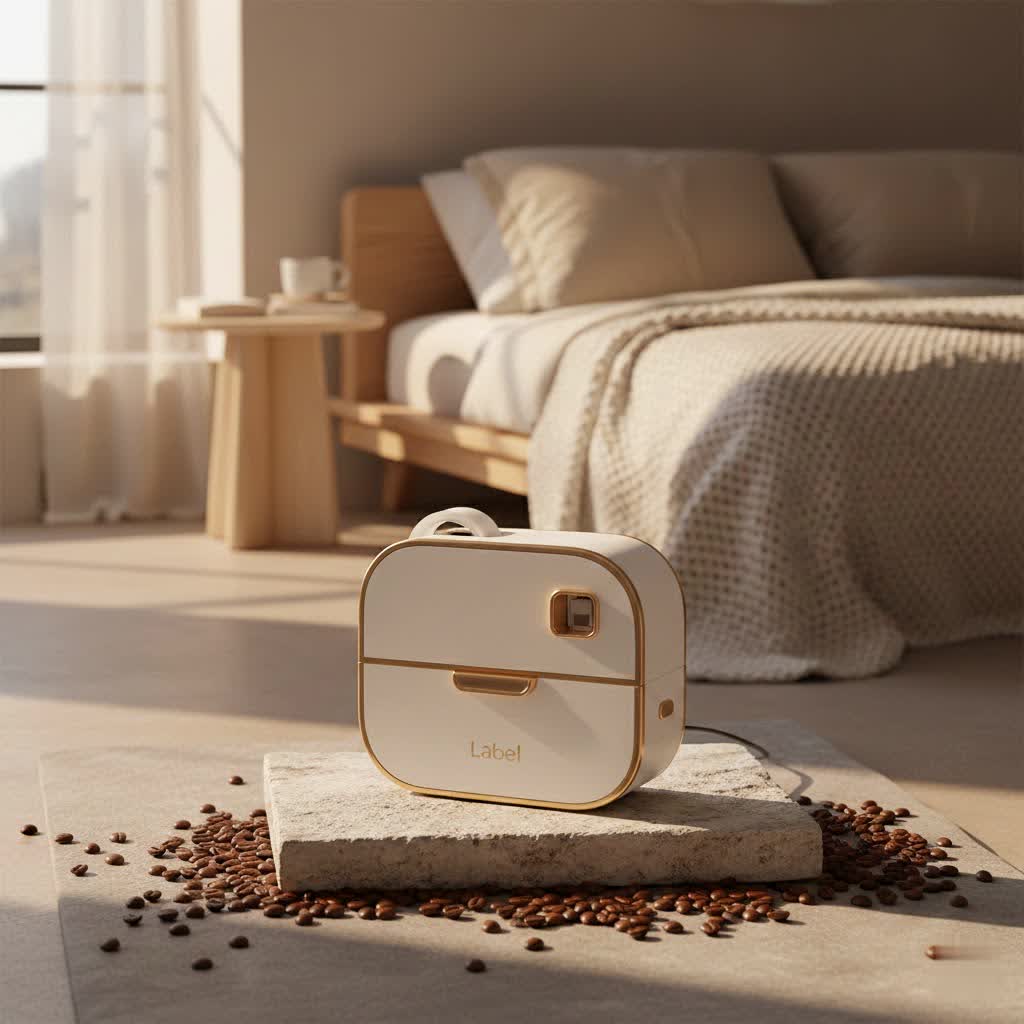
What Exactly is a Label Maker?
At its core, a label maker is a portable electronic device designed to print self-adhesive labels on demand. Think of it as a mini printer dedicated solely to creating clear, durable labels. While the concept is simple, the technology behind them is quite sophisticated, offering various printing methods to suit different needs. Most commonly, label makers utilize thermal printing, either direct thermal (where heat reacts with the label material) or thermal transfer (where heat melts a ribbon onto the label), to produce crisp text and graphics without the need for ink cartridges. This makes them incredibly convenient and cost-effective for a wide range of labeling tasks.
The Many Faces of Label Makers: Types for Every Need
The market for label makers is diverse, offering specialized tools for virtually any application. Understanding these categories is the first step in selecting the ideal device for your needs.
Handheld & Portable Label Makers
|
Our Picks for the Best Label Maker in 2026
As an Amazon Associate I earn from qualifying purchases.
|
||
| Num | Product | Action |
|---|---|---|
| 1 | DETONGER DT5150P Industrial Colorfast Label Maker, Thermal Transfer Label Printer with 1.65\" W Print Head, Heavy-Duty for Outdoor Direct Sunlight Job Sites, Mobile APP & PC Editor Compatible |

|
| 2 | DYMO LetraTag 100H Plus Handheld Label Maker for Office or Home |
|
| 3 | LỖI |
|
| 4 | MeetRGB Embossed Label Maker (Includes Tape), Vintage Embossing Label Machine, Comes with 5 Rolls of 3D Embossed Labels, Suitable for Office and DIY Use—Purple |
|
| 5 | NelkoGlobal Label Maker, Label Maker Machine with Tape, Portable Bluetooth Label Printer with Little Space, Mini D10 Label Machine with Multiple Personalized Templates for Family School |
|
| 6 | Brother P-Touch PT-N20 Personal Desktop Label Maker, Portable, Handheld and Prints, P-Touch Btag ~½” (12mm) Wide Color Personalized Label Tapes |
|
| 7 | EazeID Embossing Label Maker Machine with Tapes, Manual Embossed Label Maker Retro, Vintage Embosser Labeler 3/8 Inch 9mm 3D Waterproof-Labels for Scrapbooking Supplies Kids DIY Craft Home Office Use |
|
| 8 | DYMO Label Maker Machine with Tape - 100H LetraTag Handheld, Comes with 3 LT label tapes. Great for Home & Office Organization |
|
| 9 | DYMO LabelManager 160 Portable Label Maker Bundle, Easy-to-Use, One-Touch Smart Keys, QWERTY Keyboard, Large Display, For Home & Office Organization, Includes 3 D1 label cassettes |
|
| 10 | DYMO LetraTag LT-100H Handheld Aesthetic Label Maker, ABC Keyboard Label Printer with Easy-to-Use, 13 Character LCD Screen, Great for Home & Office Organization, Pink |
|
These are the most common and user-friendly label maker types, perfect for quick labeling jobs around the house, in a small office, or on the go. They typically feature a QWERTY keyboard, a small screen, and run on batteries, offering ultimate flexibility. Their compact size makes them easy to carry to different rooms or even job sites.
Desktop Label Printers
Stepping up in capability, desktop label printers are often larger, more robust, and typically connect to a computer via USB or wirelessly. They offer higher print speeds, wider label options, and more advanced software integration, making them suitable for small businesses, offices with higher labeling volumes, or users who need more sophisticated design capabilities.
Industrial Label Makers
Built for durability, industrial label makers are designed to withstand challenging environments found in warehouses, factories, and construction sites. They feature rugged casings, often with rubber bumpers, and can print on a wider range of specialty tapes (e.g., heat-shrink tubing, heavy-duty adhesive labels) that resist harsh conditions like extreme temperatures, chemicals, and abrasion.
Thermal Label Printers
When you hear “thermal label printer,” you’re often referring to devices optimized for shipping labels, barcodes, and larger volume tasks. These are crucial for e-commerce and logistics. Direct thermal printers are excellent for short-term labels (like shipping labels) as they don’t use ink or ribbons, while thermal transfer printers use a ribbon for more durable, long-lasting labels resistant to fading and smudging.
How to Choose Your Perfect Label Maker: A Paerm.com Guide
Choosing the right label maker isn’t just about picking the prettiest one; it’s about aligning its capabilities with your specific demands. Here’s how Paerm.com recommends you make your selection:
Consider Your Primary Use Case
Why should I think about my primary use case when buying a label maker?
Your primary use case dictates the type of label maker you need. For example, a home user organizing pantry items will have very different requirements than a small business owner printing hundreds of shipping labels daily. Knowing how you’ll mostly use it helps narrow down options significantly.
- Home Organization: For kitchen, garage, craft room, or cable management, a simple, portable handheld label maker is usually sufficient. Look for ease of use and various tape color/style options.
- Office & Administration: For filing, asset tagging, and folder labels, a desktop model with computer connectivity and wider label options might be more efficient.
- Small Business & Retail: Inventory, pricing, and shipping labels demand higher print speeds, robust software, and often thermal printing capabilities.
- Industrial & Field Work: Durability, specialty labels, and battery life are paramount for electricians, technicians, or warehouse staff.
Connectivity Matters
What connectivity options are important for a label maker?
Connectivity determines how you interact with your device and design labels. Options like Bluetooth, Wi-Fi, and USB each offer distinct advantages depending on your workflow.
- Standalone: Many handheld label maker models operate independently with built-in keyboards and screens, perfect for quick, on-the-spot labeling without a computer.
- USB Connectivity: Ideal for desktop models, allowing you to design labels on your computer using dedicated software and print directly. This offers more design flexibility.
- Bluetooth/Wi-Fi: Modern label makers often feature wireless connectivity, allowing you to design and print labels from your smartphone or tablet via a dedicated app. This offers immense flexibility and advanced design features, bridging the gap between portability and powerful software.
Label Types and Sizes
How do label types and sizes impact my label maker choice?
The types and sizes of labels a machine can produce directly affect its versatility. Different applications require different label properties, such as resistance to water, heat, or chemicals, and a variety of widths for different items.
- Width Options: Label makers support various tape widths, from narrow (e.g., 6mm for files) to wide (e.g., 24mm or even 100mm+ for shipping labels). Ensure your chosen machine handles the sizes you need.
- Material & Durability:
- Standard Paper Labels: Good for general indoor use.
- Laminated Labels: Offer superior durability against water, chemicals, fading, and abrasion, perfect for kitchen, garage, or industrial settings.
- Specialty Labels: Heat-shrink tubing for cables, iron-on fabric labels for clothing, or magnetic labels.
Essential Features
- Keyboard Layout: QWERTY is standard and intuitive for most users.
- Screen Size & Backlight: A larger, backlit screen improves readability, especially in low light.
- Cutter Type: Manual cutters are common; automatic cutters save time for high-volume printing.
- Print Speed: Important for business applications where time is money.
- Software/App Compatibility: User-friendly software or a feature-rich app can elevate your labeling experience, offering templates, font options, and graphic integration.
Budget & Brand Reputation
Why is brand reputation important when buying a label maker?
A brand’s reputation often reflects the quality, reliability, and support you can expect. Established brands usually offer more durable products, better customer service, and readily available consumables, preventing future headaches.
Reputable brands like Dymo, Brother, Epson, and Phomemo offer a range of products from entry-level to professional. While budget is a factor, consider the long-term value, including the cost and availability of replacement tapes and supplies.
Mastering Your Label Maker: Setup, Usage, and Maintenance Tips
A label maker is only as effective as its user. Here’s how to maximize your device’s potential.
Getting Started: Installation and First Prints
Most label makers are remarkably user-friendly. Unpack your device, insert the batteries (if applicable) and a label tape cartridge. If it’s a computer-connected model, install the necessary software or app and connect the device. Run a test print to ensure everything is working correctly and familiarize yourself with the basic controls.
Designing Your Labels: Text, Graphics, and Templates
Modern label makers offer much more than just plain text. Explore your device’s capabilities:
- Fonts & Styles: Experiment with different fonts, sizes, and styles (bold, italic, underline).
- Borders & Frames: Many models offer decorative borders to make your labels stand out.
- Graphics & Icons: Some advanced models and apps allow you to include small graphics, symbols, or even import custom logos, adding a professional touch.
- Templates: Utilize pre-designed templates for common tasks like file labels, address labels, or asset tags to save time and ensure consistency.
Maintenance for Longevity
What are the key maintenance tips for a label maker?
Proper maintenance is crucial for ensuring your label maker functions optimally for years. Regularly cleaning the print head and taking care of the power source are simple steps that make a big difference.
- Clean the Print Head: Over time, adhesive residue or dust can accumulate on the print head, leading to faded or incomplete prints. Refer to your manual for instructions on how to gently clean it with a cotton swab and isopropyl alcohol.
- Battery Care: For portable models, remove batteries if the device will be stored for extended periods to prevent leakage. Use rechargeable batteries for long-term savings and environmental benefits.
- Store Tapes Properly: Keep label tape cartridges in a cool, dry place, away from direct sunlight, to preserve their adhesive quality and printability.
Beyond Basic Organization: Creative Uses for Your Label Maker
A label maker is not just for boring office tasks; it’s a tool for creativity and personalization!
- Crafting and Personalization: Add custom labels to handmade gifts, scrapbooks, photo albums, or even decorate storage bins in your craft room.
- Educational Tools: Create flashcards, label learning stations, or organize school supplies for kids.
- Gifts and DIY Projects: Label ingredients for homemade jams, personalize wine bottles, or create custom tags for party favors. The possibilities are truly endless.
Label Maker Solutions for Businesses: Boosting Efficiency and Professionalism
For businesses, a label maker is an indispensable tool for enhancing professionalism, improving efficiency, and ensuring compliance.
- Inventory Management: Quickly label stock, shelves, and bins for efficient tracking and reduced errors. This is particularly vital for small businesses managing diverse product lines.
- Asset Tracking: Label company assets like computers, tools, and furniture with unique identification numbers for easy auditing and loss prevention.
- Shipping and Packaging: Print professional shipping labels, return labels, and package contents labels, streamlining your dispatch process and improving customer perception.
- Compliance and Safety: Create clear safety warnings, equipment identification labels, or hazard signs to meet regulatory requirements and ensure workplace safety.
“In my ten years working with labeling solutions, the biggest mistake people make is buying the cheapest label maker without considering their long-term needs. Investing a little more upfront for the right features—like robust software or versatile tape options—can save countless hours and frustration down the line,” says Anna Chen, a Labeling Solutions Architect at Paerm.com.
Frequently Asked Questions About Label Makers
Q1: Is a label maker worth it?
A1: Absolutely! A label maker is worth it for anyone looking to improve organization, save time, and add a professional touch to their belongings or business operations. The initial investment is typically low, and the benefits of clear identification and reduced clutter far outweigh the cost.
Q2: What’s the difference between a label maker and a label printer?
A2: While the terms are often used interchangeably, a “label maker” typically refers to the smaller, handheld, standalone devices used for quick, simple labeling. A “label printer” usually denotes larger, more robust machines often connected to computers, designed for higher volume, specialized labels like shipping labels, or industrial applications with more advanced features and software.
Q3: How long do label maker labels last?
A3: The longevity of label maker labels varies greatly depending on the tape material and environmental conditions. Standard paper labels might last months to a few years indoors. Laminated labels, particularly from reputable brands, can last for many years, even decades, resisting fading, water, chemicals, and abrasion, making them ideal for durable applications.
Q4: Can I print custom logos with a label maker?
A4: Many modern label maker models, especially those with Bluetooth/Wi-Fi connectivity and companion apps, allow you to print custom logos and graphics. This feature is particularly useful for branding, asset tracking, or creating personalized items. Basic standalone models typically only support text and simple icons.
Q5: What are the main benefits of using a thermal label maker?
A5: The main benefits of using a thermal label maker include speed, cost-effectiveness (no ink cartridges needed), and durability. Thermal labels are quick to print, resistant to smudging, and depending on whether it’s direct thermal or thermal transfer, they can be highly resistant to environmental factors, making them excellent for shipping, barcodes, and long-term identification.
Ready to Get Organized and Efficient?
A label maker is more than just a gadget; it’s an investment in efficiency, clarity, and peace of mind. Whether you’re tackling household clutter, streamlining office processes, or optimizing your business operations, the right label maker can make a world of difference. At Paerm.com, we’re committed to providing you with the expert knowledge to make informed decisions. Dive into the world of organized living and smart business solutions – your perfect label maker awaits! Explore more guides and tips on Paerm.com to unlock the full potential of labeling.
