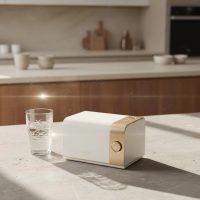
Ever felt like your life could use a little more order? Or maybe you’re a small business owner looking to add a touch of professionalism to your products? That’s where a label maker steps in, becoming your unsung hero in the quest for supreme organization and creative expression. More than just a gadget that prints sticky words, a label maker is a powerful tool designed to bring clarity, efficiency, and a dash of personal flair to virtually every aspect of your life and work.

Think about it: from taming unruly cables behind your desk to neatly categorizing jars in your pantry, or even crafting stylish product tags for your budding enterprise, a label maker empowers you to transform chaos into harmony. But with so many options out there, how do you pick the right one? How do you use it effectively, and what incredible things can it really do? Stick with us, and by the end of this guide, you’ll be a label maker maestro, ready to tackle any labeling challenge with confidence. For complete label makers library on this site.
What Exactly is a Label Maker?
At its core, a label maker is a specialized printing device that creates self-adhesive labels for a myriad of uses. While sometimes used interchangeably with “label printer,” a label maker typically refers to the more compact, often handheld or small desktop units that come with a built-in keyboard and display, allowing for standalone operation. They’re designed for simplicity and immediate labeling needs, making them incredibly popular for both personal and professional environments.
These handy devices revolutionized organization by providing an on-demand solution for clear identification. Gone are the days of scribbled notes or faded handwriting. With a label maker, you get crisp, legible text and sometimes even graphics, ensuring that everything from your file folders to your inventory boxes can be instantly identified.
Beyond the Basics: How They Work
Most modern label makers operate using thermal printing technology. This means they don’t rely on ink cartridges or toner. Instead, they use heat to create text and images on specialized label tape. There are two main types of thermal printing:
- Direct Thermal: The label tape itself is heat-sensitive and darkens when exposed to the print head’s heat. These labels are typically ideal for temporary uses as they can fade over time with exposure to heat, light, or friction.
- Thermal Transfer: This method uses a heat-sensitive ribbon alongside the label tape. The print head heats specific areas of the ribbon, transferring the ink onto the label material. Thermal transfer labels are renowned for their durability, resistance to smudging, chemicals, and fading, making them perfect for long-term applications like asset tracking or outdoor use.
The process is generally straightforward: you type your desired text using the integrated keyboard, preview it on a small screen, and then press print. The machine rapidly produces your custom label, which you then cut and apply. Many contemporary label makers also offer connectivity options, allowing you to design labels on your computer or smartphone for greater flexibility and advanced features.
The Different Flavors: Types of Label Makers
|
Our Picks for the Best Label Maker in 2026
As an Amazon Associate I earn from qualifying purchases.
|
||
| Num | Product | Action |
|---|---|---|
| 1 | DYMO LetraTag LT-100H Handheld Aesthetic Label Maker, ABC Keyboard Label Printer with Easy-to-Use, 13 Character LCD Screen, Great for Home & Office Organization, Pink |

|
| 2 | Brother P-Touch PT-N20 Personal Desktop Label Maker, Portable, Handheld and Prints, P-Touch Btag ~½” (12mm) Wide Color Personalized Label Tapes |
|
| 3 | DETONGER DT5150P Industrial Colorfast Label Maker, Thermal Transfer Label Printer with 1.65\" W Print Head, Heavy-Duty for Outdoor Direct Sunlight Job Sites, Mobile APP & PC Editor Compatible |
|
| 4 | DYMO LetraTag 100H Plus Handheld Label Maker for Office or Home |
|
| 5 | NelkoGlobal Label Maker, Label Maker Machine with Tape, Portable Bluetooth Label Printer with Little Space, Mini D10 Label Machine with Multiple Personalized Templates for Family School |
|
| 6 | DYMO LabelManager 160 Portable Label Maker Bundle, Easy-to-Use, One-Touch Smart Keys, QWERTY Keyboard, Large Display, For Home & Office Organization, Includes 3 D1 label cassettes |
|
| 7 | DYMO Label Maker Machine with Tape - 100H LetraTag Handheld, Comes with 3 LT label tapes. Great for Home & Office Organization |
|
| 8 | EazeID Embossing Label Maker Machine with Tapes, Manual Embossed Label Maker Retro, Vintage Embosser Labeler 3/8 Inch 9mm 3D Waterproof-Labels for Scrapbooking Supplies Kids DIY Craft Home Office Use |
|
| 9 | MeetRGB Embossed Label Maker (Includes Tape), Vintage Embossing Label Machine, Comes with 5 Rolls of 3D Embossed Labels, Suitable for Office and DIY Use—Purple |
|
| 10 | LỖI |
|
Just like there’s a perfect tool for every job, there’s a perfect label maker for every labeling need. Understanding the different types helps you choose wisely.
Handheld/Portable Label Makers
These are the go-to for on-the-spot labeling. Lightweight and often battery-operated, they are incredibly convenient for organizing around the house, in a classroom, or for mobile work tasks. They usually feature compact QWERTY keyboards and small screens, making them simple to use for quick text-based labels. Brands like Dymo LetraTag and Brother P-touch offer popular handheld models.
Desktop Label Makers
Stepping up in size and capability, desktop label makers offer more features, larger displays, and often full QWERTY keyboards. Many can connect to your computer or mobile device via USB, Bluetooth, or Wi-Fi, allowing for more intricate label designs, a wider selection of fonts, and integration with software. They’re excellent for small businesses, home offices, and users who need more sophisticated labeling options without industrial-level volume.
Industrial Label Makers
Built for demanding environments, industrial label makers are robust and designed for high-volume, heavy-duty tasks. You’ll find these workhorses in warehouses, manufacturing plants, and logistics operations. They often print on wider, more durable label materials (like vinyl or polyester) that can withstand harsh conditions, chemicals, and extreme temperatures. These machines are crucial for asset tagging, safety signage, and high-speed shipping label production.
Embossing Label Makers
Remember those classic, retro labels with raised letters? That’s an embossing label maker. These mechanical devices require no batteries or electricity. You simply turn a dial to select letters and press a lever to emboss them onto colored plastic tape. While slower and less versatile than electronic models, they offer a unique, tactile aesthetic that many find charming for crafts or specific organizational styles.
“Understanding the nuances of each label maker type is key,” advises industry veteran Amelia Sterling, a leading content creator for Paerm.com. “It’s about matching the tool’s capabilities to your actual labeling challenges, not just picking the flashiest model.”
Picking the Perfect Partner: How to Choose Your Label Maker
Choosing the right label maker can feel a bit like dating – you want one that fits your lifestyle, has the right features, and makes your life easier. Here’s how to find your perfect match.
Consider Your Needs: Home, Office, or Heavy-Duty?
Before you even start looking at models, ask yourself: What will I primarily use this label maker for?
- Home Organization: Are you labeling spice jars, pantry shelves, kids’ toys, or storage bins? Portability and ease of use will be high priorities.
- Small Office/Home Office (SOHO): Do you need to organize files, cables, desk drawers, or create professional-looking address labels? Connectivity, multiple label sizes, and professional fonts become more important.
- Business/Industrial Use: Are you managing inventory, tracking assets, printing shipping labels, creating barcodes, or labeling equipment in a demanding environment? Durability, print speed, label material versatility, and integration with software are critical.
Your primary use case will dictate the type of label maker you need. A small handheld device won’t cut it for a bustling warehouse, just as an industrial printer would be overkill for labeling your sock drawer.
Key Features to Look For
Once you’ve identified your main needs, dive into the features:
- Print Technology: As discussed, thermal transfer offers superior durability for labels that need to last. Direct thermal is fine for temporary needs.
- Connectivity Options: Do you want to type directly on the device (standalone)? Or connect to a computer (USB)? Or perhaps use your smartphone/tablet wirelessly (Bluetooth/Wi-Fi)? Wireless connectivity offers immense flexibility for designing complex labels with custom fonts, graphics, and even importing data.
- Label Types and Sizes: Label makers support various tape widths (e.g., 0.25 inches to 4 inches or more) and materials. Consider if you need standard paper labels, durable plastic, weather-resistant vinyl, flexible iron-on fabric, magnetic, or even pre-sized shipping labels. Ensure the machine can handle the sizes and materials essential for your tasks.
- Portability and Power Source: If you’re always on the move, a battery-powered handheld model is ideal. For stationary use, an AC adapter-powered desktop unit might be more convenient and reliable.
- Keyboard and Display: Look for a comfortable keyboard (QWERTY is standard for desktop models) and a clear, readable display, especially if you’ll be typing directly on the device frequently. Larger displays allow for better previewing of your labels.
- Software and Templates: Many desktop and connected label makers come with dedicated software or apps. Good software offers intuitive design tools, a wide range of fonts, symbols, clip art, and pre-designed templates, which can save you a lot of time.
- Print Speed and Resolution (DPI): For high-volume printing, faster print speeds are crucial. Higher DPI (dots per inch) ensures clearer, crisper text and graphics, which is vital for barcodes and small fonts.
Don’t forget the running costs! While a label maker might be inexpensive, the cost of replacement label tapes or rolls can add up. Some brands have proprietary tapes, which can be pricier.
Getting Started: Using and Maintaining Your Label Maker
So you’ve chosen your label maker! Now let’s get it up and running and keep it in tip-top shape.
Easy Setup: From Unboxing to Your First Label
Most label makers are designed for plug-and-play simplicity. Here’s a general guide:
- Unbox and Inspect: Carefully remove all packaging and check for any visible damage.
- Power Up: Insert batteries (if applicable) or connect the AC adapter to a power outlet.
- Load Label Tape: Open the tape compartment, often on the back or side of the device. Follow the diagrams or instructions in your manual to correctly insert the label tape cassette. Ensure it clicks into place.
- Turn On: Press the power button.
- Type Your First Label: Use the keyboard to enter your desired text.
- Preview and Edit: Most devices have a screen to preview your label. Adjust font size, style, or add symbols as needed.
- Print: Press the print button. The label maker will feed out and print your label.
- Cut and Apply: Use the integrated cutter (manual or automatic) to trim the label. Peel off the backing and apply to your desired surface.
If you’re using a connected label maker, you’ll likely need to download and install the accompanying software or app on your computer or mobile device and follow the pairing instructions (e.g., Bluetooth, Wi-Fi).
Tips for Optimal Performance and Longevity
Regular care ensures your label maker stays a reliable organizing partner for years to come.
- Clean the Print Head Regularly: This is arguably the most crucial maintenance step. Dust, adhesive residue, and tape particles can build up on the print head, leading to faded or incomplete print. Use a soft, lint-free cloth lightly dampened with isopropyl alcohol to gently wipe the print head. Do this daily for frequent users, or weekly for occasional use.
- Inspect and Clean the Tape Path and Cutter: After each use, quickly check the tape path for any adhesive residue or small pieces of tape. Clear these away to prevent jams. If your cutter blade seems to be sticking or leaving uneven cuts, carefully clean around it (some models allow you to press the cutter button to expose the blade for cleaning – use caution!).
- Manage Batteries Wisely: If your label maker uses batteries, remove them if you don’t plan to use the device for an extended period. This prevents potential battery leakage and corrosion, which can severely damage the internal electronics. Replace old or low batteries promptly when you notice a drop in performance.
- Power Down Properly: Always use the dedicated power button to turn off your label maker rather than simply unplugging it or removing batteries. This ensures the device completes its internal shutdown sequence, preventing unnecessary wear on components.
- Store Properly: Keep your label maker in a cool, dry place, away from direct sunlight, extreme temperatures, and excessive moisture. Store unused label tape cartridges in their original packaging to protect them from dust and dirt, which can impact print quality.
By following these simple steps, you’ll prevent common issues like tape jams, poor print quality, and premature device failure, ensuring your label maker is always ready for action.
Unleash Your Creativity: Innovative Uses for Label Makers
A label maker isn’t just for mundane tasks; it’s a creative powerhouse! Once you start, you’ll find endless ways to utilize it.
Home Organization Hacks
Transform your living space from cluttered to chic with a label maker.
- Pantry Perfection: Label food storage containers (flour, sugar, pasta), spice jars, and shelves for instant identification and a gourmet look.
- Refrigerator & Freezer: Date leftovers, identify meal prep containers, and label freezer bags to prevent food waste.
- Cleaning Supplies: Label spray bottles with their contents and designated purpose (e.g., “Bathroom Cleaner,” “Glass Polish”).
- Craft Corner: Categorize beads, fabrics, threads, and tools in bins or drawers, making it easy to find exactly what you need for your next project.
- Kids’ Rooms: Label toy bins, art supplies, and book shelves, making cleanup a breeze and teaching children organizational skills.
- Cable Chaos Control: Label both ends of charger cables, power cords, and electronic wires so you never unplug the wrong device again.
Boosting Business Efficiency
From a small online shop to a busy office, a label maker can significantly streamline operations.
- Filing Systems: Create professional labels for file folders, binders, and archive boxes, making document retrieval quick and effortless.
- Asset Management: Label equipment, furniture, and tools with asset tags for inventory tracking and easy identification.
- Shipping & Mailing: Print clear address labels, return labels, and package contents labels, especially if your label maker connects to your computer for batch printing.
- Product Labeling: For small businesses, create attractive product labels, ingredient lists, or branding tags for handmade goods, candles, or custom items.
- Visual Workflows: In a workshop or studio, label tools, stations, and inventory bins to create a clear, efficient workflow, as often seen in Lean/5S methodologies.
Crafting and Personalization
Add a personal touch to gifts and projects.
- Gift Tags: Design custom gift tags for presents, personalizing them with names or special messages.
- Photo Albums: Label the backs of photos with dates, names, and events to preserve memories accurately.
- Event Planning: Create elegant place cards for dinner parties, or label party favors with a unique touch.
“The true power of a label maker lies in its versatility,” notes Amelia Sterling from Paerm.com. “It’s not just about tidiness; it’s about making information instantly accessible and adding a professional polish to everything you do.”
Label Makers for Business: Streamlining Operations
For businesses, a label maker isn’t just a convenience; it’s an indispensable tool for efficiency, compliance, and even branding.
Inventory Management and Asset Tracking
Imagine a warehouse without clearly labeled shelves or products. Chaos! Label makers are crucial here.
- Barcode Printing: Many business-grade label makers can print barcodes, which are essential for inventory management, point-of-sale systems, and efficient stock rotation.
- Asset Tags: Labeling company assets like computers, tools, and office equipment with unique identifiers helps in tracking, auditing, and preventing loss.
- Shelf and Bin Labels: Clear labeling of storage locations ensures that products are always in their correct place, reducing picking errors and saving valuable time.
Shipping and Mailing Solutions
Especially for e-commerce businesses, efficient shipping is paramount.
- Shipping Labels: Thermal label printers are widely used for printing shipping labels rapidly and durably, integrating with shipping software for seamless order fulfillment.
- Address Labels: For mass mailings or frequent correspondence, printing address labels ensures consistency and professionalism.
- Warning Labels: Easily create custom warning or handling instruction labels for delicate or hazardous packages.
Enhancing Brand Image
A well-labeled product or package speaks volumes about your brand’s attention to detail and professionalism.
- Product Packaging: Create attractive and informative labels for your products, including ingredients, use-by dates, pricing, and your brand logo.
- Promotional Items: Label promotional items or samples with your company name and contact information.
- Office Branding: Use labels on office supplies, folders, and equipment to reinforce your brand internally and externally.
Frequently Asked Questions (FAQ)
Q: What is the main difference between a label maker and a label printer?
A: While the terms are often used interchangeably, a “label maker” typically refers to smaller, standalone devices with a built-in keyboard and screen, ideal for on-the-spot labeling. A “label printer” can be a broader term, often referring to larger, higher-volume machines that usually connect to a computer and can handle more complex designs and diverse label materials.
Q: Do label makers require ink cartridges?
A: Most modern label makers use thermal printing technology, which means they do not require ink cartridges or toner. Instead, they use heat to create text and images on specially designed heat-sensitive label tape.
Q: Can I print custom fonts and graphics with a label maker?
A: It depends on the model. Basic handheld label makers usually have a limited selection of built-in fonts and symbols. However, desktop and connected label makers (those that link to a computer or smartphone via USB, Bluetooth, or Wi-Fi) often come with software or apps that allow for extensive customization, including using your computer’s fonts, adding graphics, logos, and even importing data.
Q: How long do label maker labels last?
A: The longevity of labels depends on the printing technology and label material. Labels made with direct thermal printing can fade over time with exposure to heat, sunlight, or abrasion. Labels created with thermal transfer technology on durable materials like vinyl or polyester are much more robust, offering resistance to water, chemicals, UV light, and fading, making them suitable for long-term outdoor or industrial applications.
Q: Are label makers expensive to maintain?
A: Generally, label makers are low-maintenance devices. The primary ongoing cost is the replacement label tape or cartridges. While the initial device cost might be low, some brands have proprietary tapes that can be pricier. Regular cleaning of the print head and tape path, as well as proper battery management, helps prevent malfunctions and extends the life of the device, reducing overall maintenance costs.
Q: Can a label maker print barcodes or QR codes?
A: Yes, many advanced desktop and industrial label makers, especially those designed for business use and connected to a computer with specific software, can easily print both barcodes and QR codes. This feature is particularly useful for inventory management, asset tracking, and shipping logistics.
Q: Is a label maker a good investment for home organization?
A: Absolutely! For anyone looking to bring order to their home, a label maker is an invaluable tool. It helps create clear, consistent labels for everything from pantry items and storage bins to files and cables, making it easier to find things, maintain tidiness, and reduce clutter. Its versatility makes it a worthwhile investment for boosting efficiency and reducing stress in your daily life.
Ready to Label Your World?
From transforming cluttered spaces into havens of order to adding a professional edge to your business operations, the power of a label maker is undeniable. We’ve explored what these incredible devices are, the different types available, and how to choose the perfect one for your specific needs. We’ve also delved into simple maintenance tips to keep your device performing flawlessly and uncovered a treasure trove of creative and practical applications that go far beyond basic labeling.
Whether you’re a home organization enthusiast, a small business owner, or simply someone who appreciates clarity and efficiency, investing in a label maker is a decision you won’t regret. It’s more than just a tool; it’s a gateway to a more organized, productive, and visually appealing world. So, what are you waiting for? Grab your label maker, unleash your creativity, and start labeling your way to a smoother, more efficient life!
Get our weekly buyer guide
Practical specs, not advice. Unsubscribe anytime.